And with the actual numbers of 52.4% and 29%, its closer to 80% increase in how much women trust the responses. That’s a huge delta, what is driving that
Random uninformed guess: women are on the whole more open to sharing their problems to begin with. So it’s probably less “teenage girls turn to AI with their problems while men go to therapy” and more “men continue to avoid talking about their problems to anyone, including LLMs”.
It is worrying that social interactions and support are getting delegated to algorithms at such high rates but I’m not convinced there is a significant gender gap to be explained on the technology level. Dudes probably ask the word prediction machine plenty about cars, tech, or weird conspiracy theories.
No absolutely not. This is reality, if something increases from 30% to 50%, you need to increase your capacity to handle it by 66%.
That’s reality, and not moronic idiocy.
Correct, my question is because the article outright states the number:
38.6% of respondents said they “very trust” or “somewhat trust” advice from AI-generated sources regarding relationships and social interactions. Trust levels were higher among younger generations, with over half of those in their teens and twenties expressing this trust. Among teenage girls, the figure reached 63.1%.
Going off saying ‘you don’t understand the numbers’ when neither of you have translated the article seemed genuinely funny to me.
Edit: I should say, I recognize you understand the numbers — I was not calling out your math.


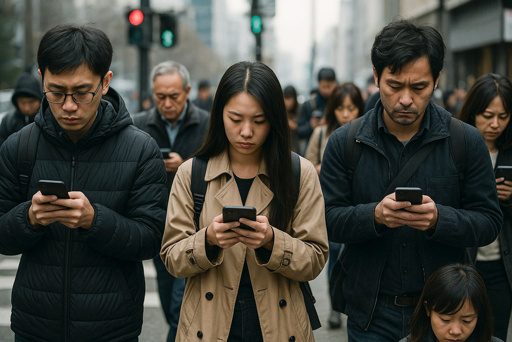
That’s because you don’t understand the numbers. 30% to 50% means it’s actually 66% more common for girls.
And with the actual numbers of 52.4% and 29%, its closer to 80% increase in how much women trust the responses. That’s a huge delta, what is driving that
Random uninformed guess: women are on the whole more open to sharing their problems to begin with. So it’s probably less “teenage girls turn to AI with their problems while men go to therapy” and more “men continue to avoid talking about their problems to anyone, including LLMs”.
It is worrying that social interactions and support are getting delegated to algorithms at such high rates but I’m not convinced there is a significant gender gap to be explained on the technology level. Dudes probably ask the word prediction machine plenty about cars, tech, or weird conspiracy theories.
Is this a joke?
No absolutely not. This is reality, if something increases from 30% to 50%, you need to increase your capacity to handle it by 66%.
That’s reality, and not moronic idiocy.
Correct, my question is because the article outright states the number:
Going off saying ‘you don’t understand the numbers’ when neither of you have translated the article seemed genuinely funny to me.
Edit: I should say, I recognize you understand the numbers — I was not calling out your math.
I did translate and read the article, so WTF do you mean?
I used rounded numbers that are close to make the calculation easier to follow for the people that apparently don’t understand how this works.
The part you quote was already quoted.