If I asked my mom for her SIM card, she’d ask for her purse so she could attempt to find a credit card that doesn’t exist.
She has no idea how a phone works in any capacity. I’m not being insulting about it, I am informing you of blatant and honest truth.
My cousins, people my age are a hard maybe, I know two family members who went in-store recently. They treat their phones like cars. They use them and that’s as deep as it goes.
That’s not so informative without any idea of your age and thereby the ages of your examples.
Many of them could still follow the assembly/card insertion instruction sheet with pictures that comes in the mail from the phone company, even without knowing which part is called a SIM.
And maybe your area’s phone stores aren’t as notorious for overcharging as the UK’s.
I’m not teaching a class, here, bud. If you need me to tell you that running LineageOS isn’t somehow a skill equivalent to walking into a store, then we have some serious cultural differences between the US and EU regarding average luddite phone ownership.
The stores don’t charge for helping you, no. It’s the same cost for service instore as out, at least in my experience. For all I know Tmobile started charging ‘install fees’ for putting sim cards in.
You’re the one talking about LineageOS, not me. I’m only saying the average user now in most countries isn’t walking into a store any more, but buying their phone online, having it shipped to them and following the pictorial setup instructions.
Stores here don’t directly charge for helping you, but they charge more for things: phones in store are often much more expensive than online (especially phone network shops - some of the broker shops sell closer to online prices), and they only sell a limited range of plans which usually don’t include the cheapest ones. The days of networks selling their locked phones much cheaper than unlocked ones seem to be over, when you add up all the charges over the minimum contract term.
Even the website of a phone company can be much cheaper than their own stores, and sometimes you can still get help from the stores if you have problems. The phone companies now all operate multiple brands and the brands without stores are even cheaper (Smarty and Voxi from VodafoneThree, Giffgaff from Virgin-O2, and so on).


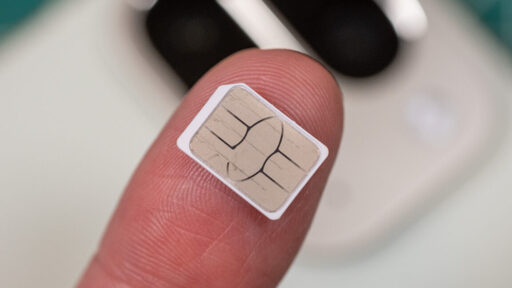
If I asked my mom for her SIM card, she’d ask for her purse so she could attempt to find a credit card that doesn’t exist.
She has no idea how a phone works in any capacity. I’m not being insulting about it, I am informing you of blatant and honest truth.
My cousins, people my age are a hard maybe, I know two family members who went in-store recently. They treat their phones like cars. They use them and that’s as deep as it goes.
That’s not so informative without any idea of your age and thereby the ages of your examples.
Many of them could still follow the assembly/card insertion instruction sheet with pictures that comes in the mail from the phone company, even without knowing which part is called a SIM.
And maybe your area’s phone stores aren’t as notorious for overcharging as the UK’s.
I’m not teaching a class, here, bud. If you need me to tell you that running LineageOS isn’t somehow a skill equivalent to walking into a store, then we have some serious cultural differences between the US and EU regarding average luddite phone ownership.
The stores don’t charge for helping you, no. It’s the same cost for service instore as out, at least in my experience. For all I know Tmobile started charging ‘install fees’ for putting sim cards in.
America, age 37, nerd-coded
You’re the one talking about LineageOS, not me. I’m only saying the average user now in most countries isn’t walking into a store any more, but buying their phone online, having it shipped to them and following the pictorial setup instructions.
Stores here don’t directly charge for helping you, but they charge more for things: phones in store are often much more expensive than online (especially phone network shops - some of the broker shops sell closer to online prices), and they only sell a limited range of plans which usually don’t include the cheapest ones. The days of networks selling their locked phones much cheaper than unlocked ones seem to be over, when you add up all the charges over the minimum contract term.
Even the website of a phone company can be much cheaper than their own stores, and sometimes you can still get help from the stores if you have problems. The phone companies now all operate multiple brands and the brands without stores are even cheaper (Smarty and Voxi from VodafoneThree, Giffgaff from Virgin-O2, and so on).