So just like any other distro, like grapheneOS or Debian, but (semi?) closed source. Everyone can change their tos (do the degree of their bylaws & AOSP).
There seems to be a lot wrong with their approach (not open sauce, specific hardware choice, ofc not open hardware), but you can’t compare prices with phones that bundle in Factbook & co. Ask any are they so cheap.
I do think paying for dev vs having it bundled into the initial purchase price is vastly better bcs the incentives are better - less ewaste/planned obsolescence.
Also they might be willing to get audited so you get a yearly report if they truly respect their promise, if they changed their tos, and if they respect gdpr (they have to list all their data brokers).
I looked up the datasheets, and the ‘sustainability’ argument doesn’t hold water mathematically. I’ll use the Fairphone 5 to match the same timeline for support as a comparison, because they are targeting the same market within the same hardware timespan.
Fairphone 5 uses a Qualcomm QCM6490. It’s an Industrial IoT chip with a guaranteed 8–10 year support lifecycle from the manufacturer. That is how they offer long-term support without a subscription: they bought the right hardware.
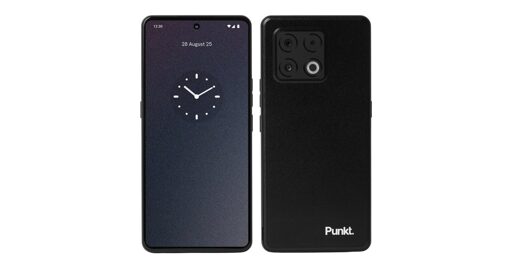
The Shortfall: Punkt chose the Dimensity 7300, a standard consumer chip released in May 2024. MediaTek typically supports these for 3–4 years. While Punkt sells 5-year subscriptions, the hardware vendor will likely move on long before that subscription ends.
I agree, but my point was obv that with basically all phones is like that - I was commenting on that thing about sla:
With a subscription fee and a continuous reliance on them for this service you are in a SLA with them. They can modify their service to be more expensive, less privacy focused on a whim. You then have a device you are unhappy with …

So just like any other distro, like grapheneOS or Debian, but (semi?) closed source. Everyone can change their tos (do the degree of their bylaws & AOSP).
There seems to be a lot wrong with their approach (not open sauce, specific hardware choice, ofc not open hardware), but you can’t compare prices with phones that bundle in Factbook & co. Ask any are they so cheap.
I do think paying for dev vs having it bundled into the initial purchase price is vastly better bcs the incentives are better - less ewaste/planned obsolescence.
Also they might be willing to get audited so you get a yearly report if they truly respect their promise, if they changed their tos, and if they respect gdpr (they have to list all their data brokers).
I looked up the datasheets, and the ‘sustainability’ argument doesn’t hold water mathematically. I’ll use the Fairphone 5 to match the same timeline for support as a comparison, because they are targeting the same market within the same hardware timespan. Fairphone 5 uses a Qualcomm QCM6490. It’s an Industrial IoT chip with a guaranteed 8–10 year support lifecycle from the manufacturer. That is how they offer long-term support without a subscription: they bought the right hardware. The Shortfall: Punkt chose the Dimensity 7300, a standard consumer chip released in May 2024. MediaTek typically supports these for 3–4 years. While Punkt sells 5-year subscriptions, the hardware vendor will likely move on long before that subscription ends.
That is what I meant with
And on the same note - security issues:
ledger.com/blog-is-your-smartphones-hardware-safe
I don’t think so. If my device runs Debian it’s also probably going to run Fedora and SUSE and whatever so if Debian enshittifies I can change.
GrapheneOS is maybe a reasonable example.
I agree, but my point was obv that with basically all phones is like that - I was commenting on that thing about sla: