Yeah, so instead of using semis going 100kph, put the cargo they haul in freit trains … Train tracks last quite a while. And you will get a good rail network out of it as a bonus. And now your roads last longer ! What a treat ;)
They also didn’t have the technology we did, it is pretty self defeating to think we can’t build something that can handle weight, because we don’t already build stuff that can handle weight. Even though they built stuff still in use, obviously we can’t, must be the weight, or else we would.
Yet their concrete is still in use and ours isn’t, even that isn’t under extra load. Maybe we are just cheap and short term? (we are.)
And also they would hold up, because there is nothing to break. If you get it on a solid foundation, stone locked in place with sand and the like, there is no where to go, stone is strong. So is concrete if you make it to be strong.

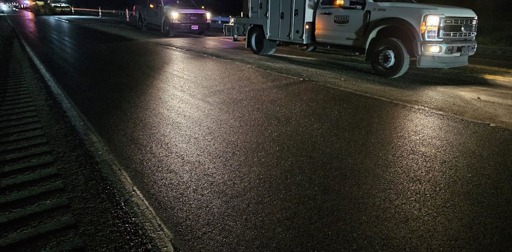
Roman roads didnt have fleets of semi’s driving over them at 100+ kph every day. Do that for a few years on a Roman road and see how well it holds up
Yeah, so instead of using semis going 100kph, put the cargo they haul in freit trains … Train tracks last quite a while. And you will get a good rail network out of it as a bonus. And now your roads last longer ! What a treat ;)
That’s awesome and outside the scope of changing the building material for roads.
Fair enough, i might have slid off topic somewhat XD
They also didn’t have the technology we did, it is pretty self defeating to think we can’t build something that can handle weight, because we don’t already build stuff that can handle weight. Even though they built stuff still in use, obviously we can’t, must be the weight, or else we would.
Yet their concrete is still in use and ours isn’t, even that isn’t under extra load. Maybe we are just cheap and short term? (we are.)
And also they would hold up, because there is nothing to break. If you get it on a solid foundation, stone locked in place with sand and the like, there is no where to go, stone is strong. So is concrete if you make it to be strong.