

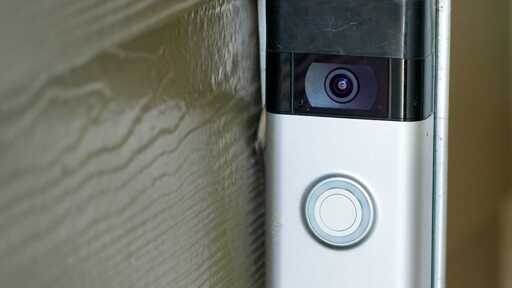
A Super Bowl ad for Ring security cameras boasting how the company can scan neighborhoods for missing dogs has prompted some customers to remove or even destroy their cameras.
Online, videos of people removing or destroying their Ring cameras have gone viral. One video posted by Seattle-based artist Maggie Butler shows her pulling off her porch-facing camera and flipping it the middle finger.
Butler explained that she originally bought the camera to protect against package thefts, but decided the pet-tracking system raised too many concerns about government access to data.
“They aren’t just tracking lost dogs, they’re tracking you and your neighbors,” Butler said in the video that has more than 3.2 million views.
Presumably because most end users are in deep with the “if you do nothing wrong, you have nothing to worry about” crowd … and besides it can find a lost dog /s.
They brought these sorts of intrusive cameras in the first place so privacy was not top of mind, or even in 2nd or 3rd place.
I would also put a good bit of the blame on executives and marketing people being way out of touch with the average person.
I agree with other comments that this is probably an Executive issue. Decision-makers operating with missing information can make misinformed decisions. Whether or not end users actually are in that crowd is less relevant than whether the people making such decisions think the users are in that crowd.
In a game-theory framing, it’s a game with incomplete information. What you assume about others, including what you assume about their assumptions, influences your decisions. The sheer amount of players makes it a lot harder to model or predict.