They’re running red team hacking scenarios, an extremely standard, common, and good practice in the cybersecurity industry. Any device, especially one connected to the internet, is at risk of being hacked - it would be naive to assume otherwise, so they’re hiring professionals to penetrate their security before someone else does. This is actually a sign they’re taking security seriously.
Also, from the article: “they do not remotely drive the vehicles”.
Do you actually have any evidence Waymo staff can remotely drive their vehicles? Or are you just tilting at windmills? I don’t really appreciate the insinuation that I am some rube by someone evidently unaware of basic cybersecurity concepts.
There are real problems with this arrangement that should be focused on rather than vague speculations - i.e. the exploitation of developing nations by the machine learning/tech industry.
I have expressed my belief, or my doubt, however you want to look at it.
someone evidently unaware of basic cybersecurity concepts.
I can assure you that is not the case. I work in IT, all my life, much longer than you, and I know all of it’s basic concepts.
Think: what would happen when such a car gets stuck and the remote operator can’t achieve anything with “giving directions”? He needs some stronger action. Maybe he needs to “escalate” to some “senior”. What would that person do?
There is the possibility of remote steering, and I think they would use it, 10 out of 10 times, instead of telling their passengers that they give up now and everybody must leave the car.
No. They just end the ride and send somebody from the local depot to drive the car back to the garage.
Source: I was on Waymo’s Fleet Response team for a year doing literally this job that is now outsourced overseas. While the tech exists for full remote steering, NHTSA regulations disallow it, and that’s one of the few agencies that Google actually has to abide by if they want to drive their cars on public roads.
Source: I was on Waymo’s Fleet Response team for a year doing literally this job
Good to hear. Thanks for sharing this.
But still, if I were some higher manager there, then I would probably think a little different than you honest people:
that is now outsourced overseas.
One of the differences is that these operator people come a lot cheaper now.
NHTSA regulations disallow it
Another difference is that they won’t ever tell any American what they actually do at their job, because they are on the other side of the globe, where it makes no difference at all if they can spell this 5 letter abbreviation or not.
Only a few years ago it was the usual thing with cars (except Teslas) that their entertainment system was connected to the internet, but everything related to driving was not. Such a thing as hacking and remote driving was fundamentally impossible.
Today, even in the European cars is a whole lot more internet inside. But real remote driving is still not a standard possibility.


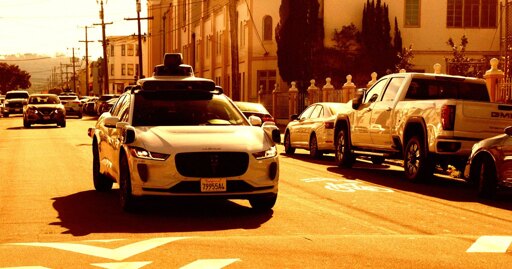
Read this slowly:
Here they admit that their vehicles can be hacked and then remotely cotrolled.
They’re running red team hacking scenarios, an extremely standard, common, and good practice in the cybersecurity industry. Any device, especially one connected to the internet, is at risk of being hacked - it would be naive to assume otherwise, so they’re hiring professionals to penetrate their security before someone else does. This is actually a sign they’re taking security seriously.
Also, from the article: “they do not remotely drive the vehicles”.
You may quote and repeat this as much as you like… ;-)
Do you actually have any evidence Waymo staff can remotely drive their vehicles? Or are you just tilting at windmills? I don’t really appreciate the insinuation that I am some rube by someone evidently unaware of basic cybersecurity concepts.
There are real problems with this arrangement that should be focused on rather than vague speculations - i.e. the exploitation of developing nations by the machine learning/tech industry.
I have expressed my belief, or my doubt, however you want to look at it.
I can assure you that is not the case. I work in IT, all my life, much longer than you, and I know all of it’s basic concepts.
Think: what would happen when such a car gets stuck and the remote operator can’t achieve anything with “giving directions”? He needs some stronger action. Maybe he needs to “escalate” to some “senior”. What would that person do?
There is the possibility of remote steering, and I think they would use it, 10 out of 10 times, instead of telling their passengers that they give up now and everybody must leave the car.
“I work in IT, all my life, much longer than you, and I know all its basic concepts.”
And anyone who’s spent their life working in IT would laugh you out of the room for that sentence. Lost all credibility with that BS.
No. They just end the ride and send somebody from the local depot to drive the car back to the garage.
Source: I was on Waymo’s Fleet Response team for a year doing literally this job that is now outsourced overseas. While the tech exists for full remote steering, NHTSA regulations disallow it, and that’s one of the few agencies that Google actually has to abide by if they want to drive their cars on public roads.
Good to hear. Thanks for sharing this.
But still, if I were some higher manager there, then I would probably think a little different than you honest people:
You and every other conspiracy theorist can express your unevidenced beliefs how you like, this conversation clearly isn’t worth my time.
If it’s connected to internet it can be hacked.
Correct, so far.
Only a few years ago it was the usual thing with cars (except Teslas) that their entertainment system was connected to the internet, but everything related to driving was not. Such a thing as hacking and remote driving was fundamentally impossible.
Today, even in the European cars is a whole lot more internet inside. But real remote driving is still not a standard possibility.
“Your kid is safe at school, because we insist all teachers use condoms”